My Menu Mentor · mymenumentor.com/recipes/garlic-butter-shrimp-asparagus
Back to the indexSeafood
Garlic Butter Shrimp and Asparagus
A fast, single-skillet dinner that relies on high heat and compound butter rather than heavy sauces.
- Prep
- 15 minutes
- Cook
- 10 minutes
- Total
- 25 minutes
- Yield
- 4 servings
Print the card
The card carries the title, timings, ingredients and method. Add what you want beside them — currently one sheet.
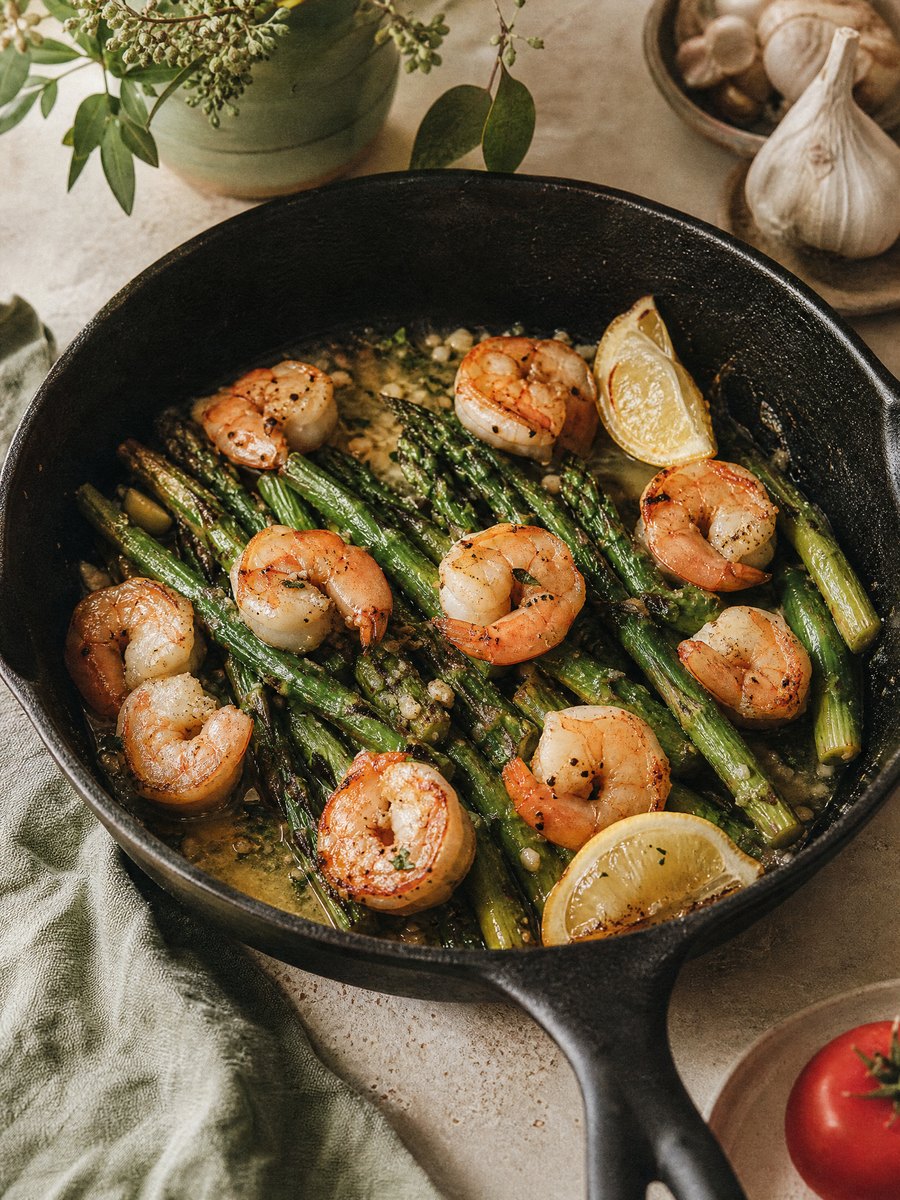
Most quick shrimp dinners fail because the shrimp and vegetables are cooked together from start to finish, resulting in rubbery seafood and limp greens. The solution is sequential cooking in the same skillet. By searing the shrimp first and removing them, you build a flavorful fond in the pan. The asparagus then cooks in that residual flavor, retaining its snap before the shrimp return just to warm through.
The garlic butter here acts as a finishing glaze rather than a cooking medium. Adding minced garlic and butter at the very end prevents the milk solids from burning and the garlic from turning bitter. A squeeze of fresh lemon juice emulsifies with the melting butter, creating a light, bright pan sauce that coats the ingredients without weighing them down.
This is a dinner built to keep you full without feeling heavy, relying on the protein of the shrimp and the fiber of the asparagus. It moves quickly once the heat is on, so all ingredients must be prepped before the oil hits the pan. Serve it immediately, perhaps with a side of quinoa or farro to absorb the pan juices, as shrimp reheats poorly the next day.
What you need
Ingredients
Measurements
Metric converts only measures that are mathematically safe. Density-dependent cups stay as Nicole wrote them.
Scale the batch
4 servings
- 1 pound large shrimp (16-20 count), peeled and deveined
- 1 bunch asparagus (about 1 pound), tough ends snapped off and cut into 2-inch pieces
- 1 tablespoon olive oil
- 1/2 teaspoon kosher salt
- 1/4 teaspoon freshly ground black pepper
- 3 tablespoons unsalted butter, cut into pieces
- 4 cloves garlic, minced
- 1/2 lemon, juiced
- 1/4 cup fresh parsley, chopped
How it goes
Method
Read the whole thing once before you start. Nothing here is difficult, but the timing is unforgiving at the end.
Dry and season the shrimp
Pat the shrimp completely dry with paper towels. Moisture is the enemy of a good sear. Toss them in a bowl with the kosher salt and black pepper until evenly coated.
Sear the shrimp
Heat the olive oil in a large skillet over medium-high heat until shimmering. Add the shrimp in a single layer. Cook undisturbed for 2 minutes until the bottoms are pink and slightly charred, then flip and cook 1 minute more. Transfer to a plate.
Blister the asparagus
In the same skillet, add the asparagus pieces. Cook for 4 to 5 minutes, tossing occasionally, until they are bright green and tender-crisp with blistered spots. Do not add water, as you want them to roast in the residual oil, not steam.
Create the garlic butter glaze
Reduce the heat to medium-low. Push the asparagus to the edges of the pan and add the butter and minced garlic to the center. Cook for 30 to 60 seconds, stirring constantly, just until the garlic is fragrant and the butter is melted and foaming.
Combine and finish
Return the shrimp and any accumulated juices to the skillet. Pour the lemon juice over the top and toss everything together until the shrimp and asparagus are evenly coated in the garlic butter sauce. Remove from heat immediately.
Garnish and serve
Scatter the chopped fresh parsley over the skillet. Serve immediately directly from the pan, ensuring each portion gets a spoonful of the pan sauce.
On the bench
Equipment
1 of these change the result. The rest are conveniences, with a workaround given. Nothing here is a brand recommendation — the spec is what matters.
The search links are paid affiliate links. If you buy through one, My Menu Mentor may earn a commission at no extra cost to you. No prices are shown because we will not quote a price we cannot keep current.
12-inch skillet
Searing shrimp in a single layer requires a wide pan so the shrimp caramelize instead of steaming from overcrowding.
- What matters
- 12-inch heavy skillet (cast iron or stainless) with a flat surface large enough for one layer of shrimp and asparagus.
- Search for
- “12 inch stainless skillet” (paid link)
Lint-free kitchen towels or paper towels
OptionalCompletely drying shrimp before they hit the hot pan is what produces a reliable sear; excess moisture prevents browning.
- What matters
- Absorbent, lint-free kitchen towels or quality paper towels suitable for patting seafood dry without leaving fibers.
- If you skip it
- Paper towels can be used to pat the shrimp dry if no kitchen towels are available.
- Search for
- “lint free kitchen towels” (paid link)
Long-handled tongs
OptionalTongs let you place and flip shrimp cleanly without crowding or piercing them, which preserves texture and appearance.
- What matters
- Long-handled (10-12 inch) heat-resistant tongs with a secure grip and non-slip ends.
- If you skip it
- Use a wide spatula to flip shrimp, though it is less precise and risks squashing them.
- Search for
- “long handled cooking tongs” (paid link)
The list
What to buy
The same 9 ingredients, sorted the way a store is laid out rather than the order you cook them. Tick things off as you go.
0 of 9 gathered
Produce
Meat & Seafood
Dairy & Eggs
Pantry
Spices & Staples
Shop these ingredients
One-tap grocery delivery for this list is planned, and this is where it will appear. Until it is connected, copy the list and paste it into whichever grocery app you already use.
Ticks stay in this browser tab only — nothing is saved or sent anywhere.
Cook's notes
What we would tell a friend
- Shrimp size matters: If using smaller shrimp, reduce the initial searing time to 1 minute per side to prevent overcooking.
- Asparagus thickness: Pencil-thin asparagus will cook in 2 to 3 minutes, while thick spears may need up to 6 minutes. Adjust the time based on visual cues.
- Prep ahead: Mince the garlic, chop the parsley, and juice the lemon before you begin cooking. The process moves too fast to prep while things are in the pan.
- Storage: This dish is best eaten immediately. If you have leftovers, store them in an airtight container in the refrigerator for up to 2 days and reheat gently over low heat to avoid rubbery shrimp.
From the kitchen
Loading notes…
Keep reading
Next in the index
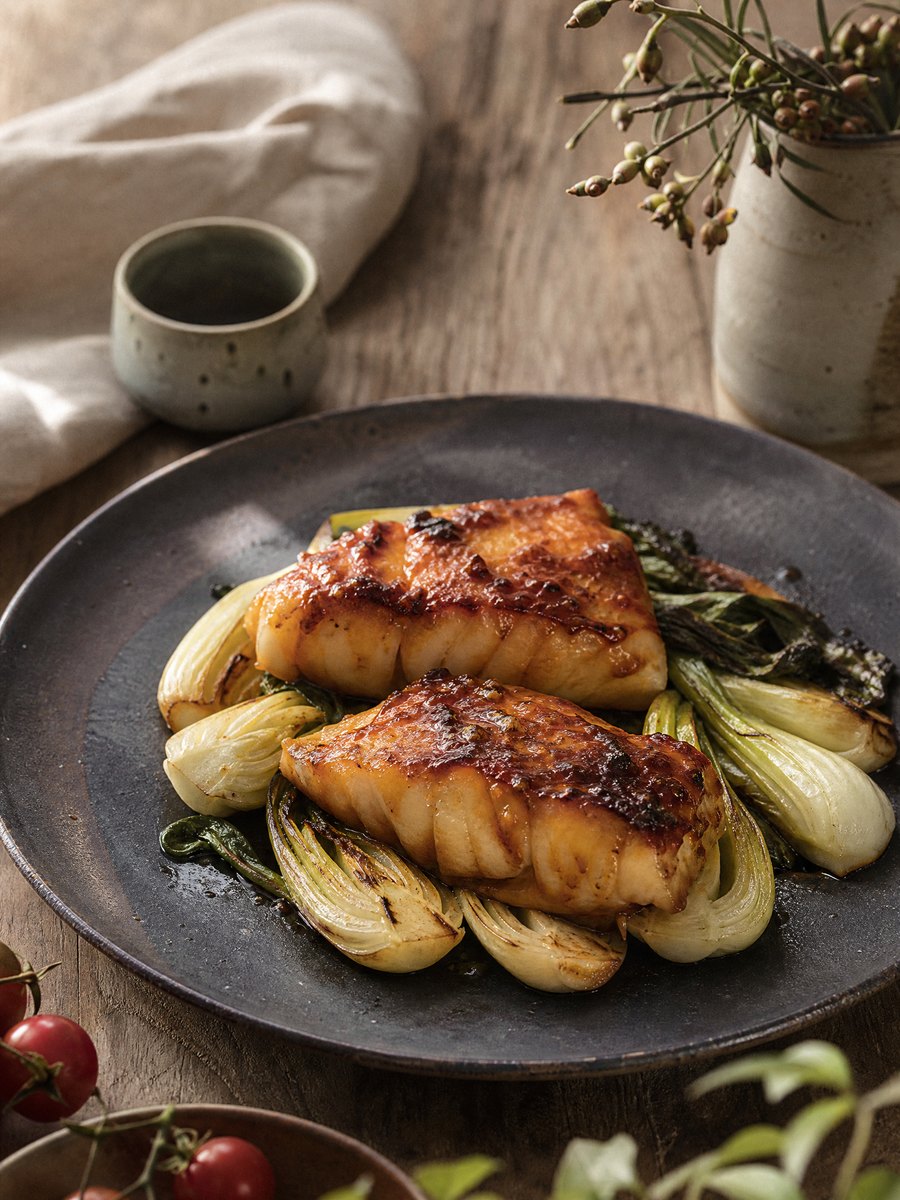
Miso Glazed Cod with Bok Choy
A fast, high-heat roast that caramelizes the miso glaze while keeping the cod tender and the bok choy crisp.
22 minutes · 2 servings
Seafood
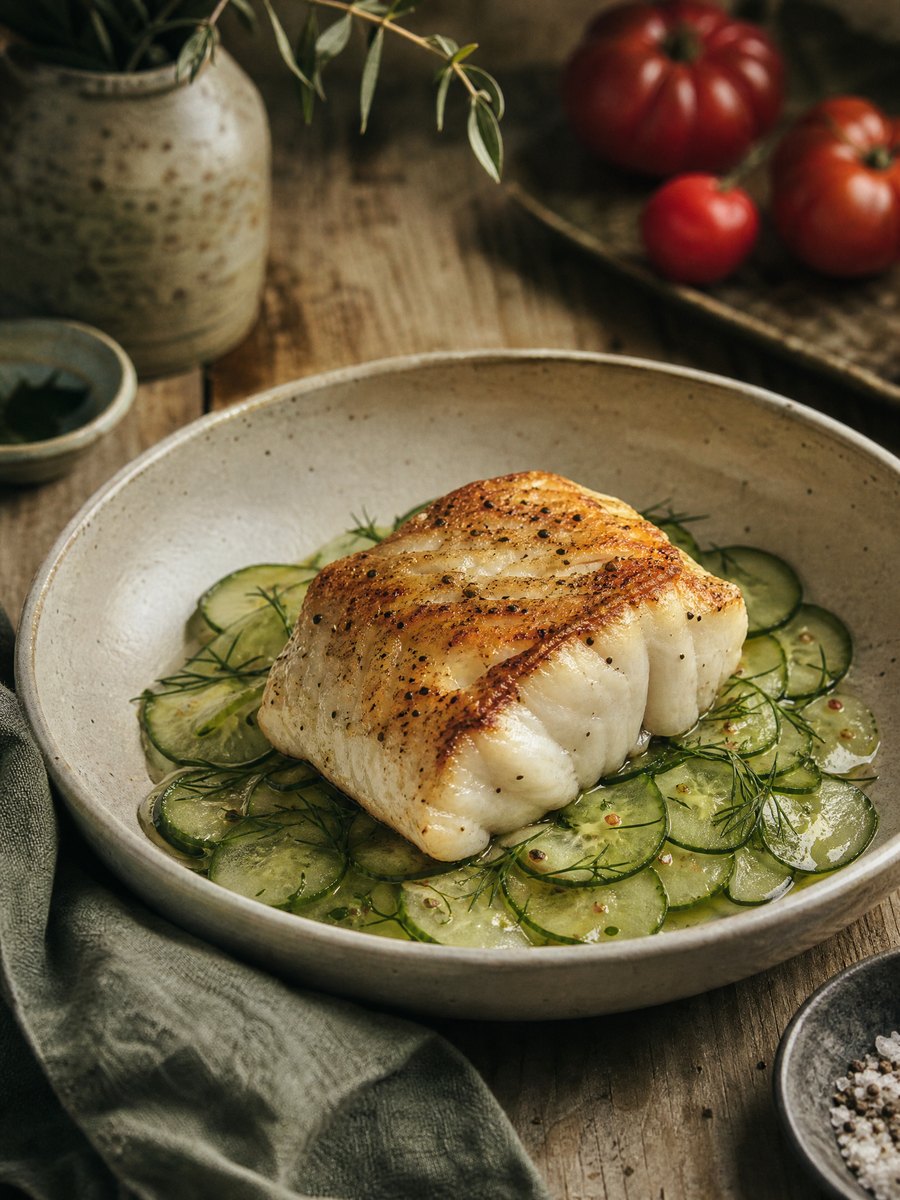
Seared Cod with Warm Cucumber Salad
A fast, high-protein fish dinner that relies on high heat and a sharp, warm vinaigrette rather than heavy sauces.
20 minutes · 2 servings
Seafood