My Menu Mentor · mymenumentor.com/recipes/greek-yogurt-chicken-salad-dill
Back to the indexHealthy Lunches
Greek Yogurt Chicken Salad with Dill
No mayonnaise, no dryness — the chicken is poached gently and cooled in its own liquid.
- Prep
- 15 minutes
- Cook
- 20 minutes
- Total
- 35 minutes, plus cooling
- Yield
- 4 servings
Print the card
The card carries the title, timings, ingredients and method. Add what you want beside them — currently one sheet.
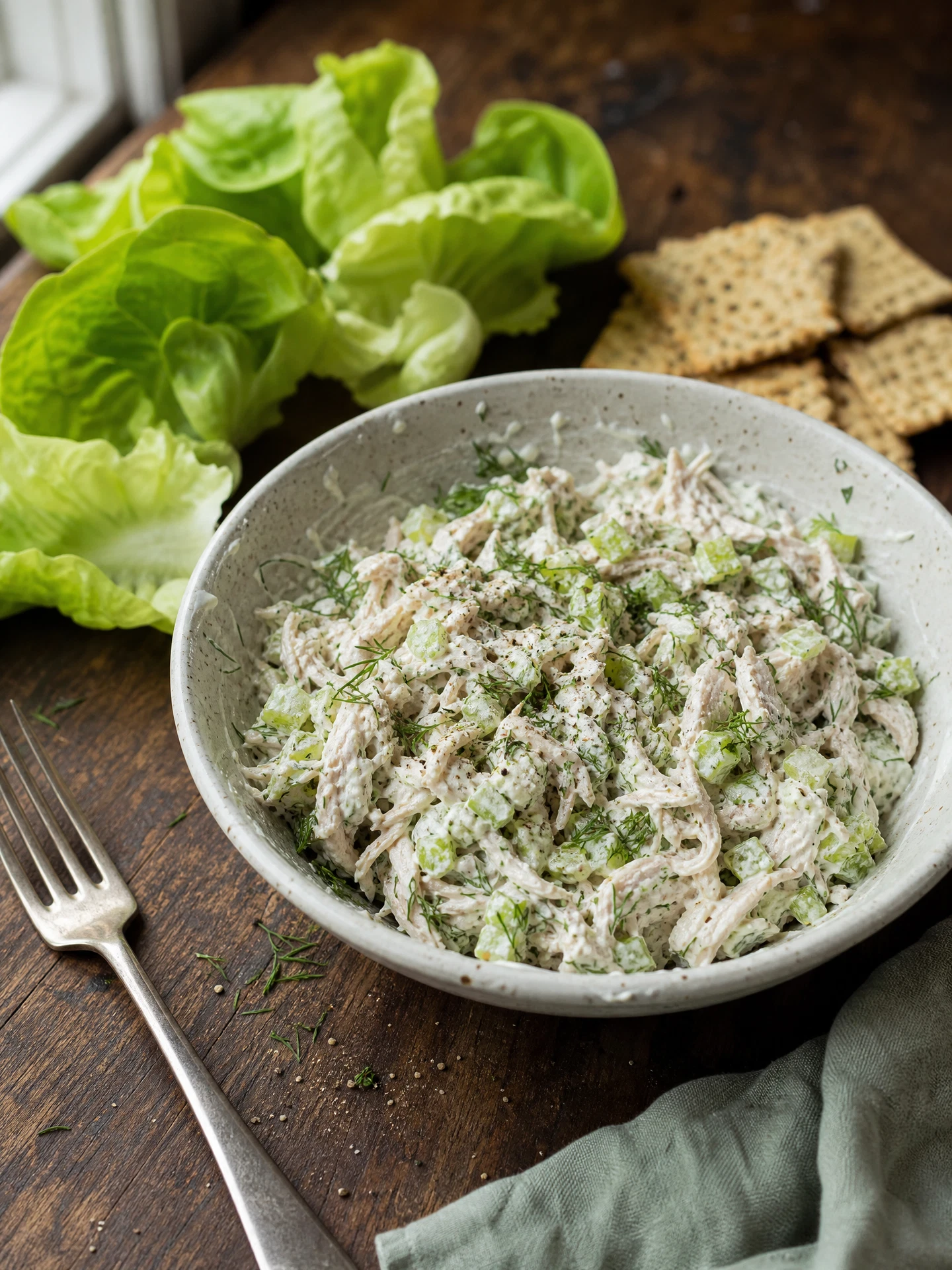
Swapping yogurt for mayonnaise in chicken salad usually produces something thin and faintly sour, and the reason is not the yogurt itself but what happens to the chicken. Boiled hard, chicken breast contracts and squeezes out its moisture, and dry meat needs the fat of mayonnaise to feel palatable at all. Fix the chicken and the yogurt stops being a compromise.
So the breast is poached in barely-trembling water, around 170°F rather than a rolling boil, and then — this is the part that gets skipped — left to cool in its own poaching liquid. As it cools it reabsorbs liquid it lost, which no amount of dressing can do for it afterwards. Full-fat Greek yogurt is essential: the fat carries flavor and keeps the dressing from breaking, and low-fat yogurt weeps water into the bowl within the hour.
Dill, celery and a good amount of lemon do the rest, with a spoonful of Dijon for the sharpness that yogurt lacks. It gives you roughly thirty-eight grams of protein per serving for around three hundred calories, and it holds four days refrigerated, which makes it a genuinely useful thing to have in the fridge on a Monday. Eat it on bread, in lettuce cups, or with crackers as a snack that will actually keep you full.
What you need
Ingredients
Measurements
Metric converts only measures that are mathematically safe. Density-dependent cups stay as Nicole wrote them.
Scale the batch
4 servings
Poached chicken
- 1 1/2 pounds boneless, skinless chicken breasts
- 1 teaspoon kosher salt
- 2 bay leaves
- 1/2 lemon, sliced
- 6 peppercorns
Dressing and additions
- 3/4 cup full-fat Greek yogurt
- 2 tablespoons fresh lemon juice
- 1 tablespoon Dijon mustard
- 2 tablespoons extra-virgin olive oil
- 3/4 teaspoon kosher salt
- 1/2 teaspoon freshly ground black pepper
- 3 ribs celery, finely diced
- 3 scallions, thinly sliced
- 1/3 cup chopped fresh dill
- 2 tablespoons chopped fresh chives (optional)
How it goes
Method
Read the whole thing once before you start. Nothing here is difficult, but the timing is unforgiving at the end.
Start the chicken in cold water
Lay the breasts in a saucepan in one layer and add cold water to cover by an inch, along with the salt, bay leaves, lemon slices and peppercorns. Starting cold lets the meat heat evenly; dropping it into hot water seizes the outside before the center has moved.
Poach below a simmer
Bring to a bare simmer over medium heat, then immediately reduce so the surface only trembles, with occasional bubbles rather than a steady stream. Hold it there 12 to 15 minutes, until the thickest part reads 160°F. A rolling boil at this stage is what makes chicken salad stringy.
Cool it in the liquid
Take the pan off the heat and leave the chicken in the poaching liquid for at least 20 minutes, until it is cool enough to handle. Carryover heat brings it to a safe 165°F, and as it cools it draws liquid back in. Skipping this and shredding it hot is the main reason yogurt chicken salad turns out dry.
Whisk the dressing before the chicken goes in
In a large bowl, whisk the yogurt, lemon juice, Dijon, olive oil, salt and pepper until glossy and smooth. Emulsify it first — adding the oil to a bowl that already holds chicken leaves you with slick patches rather than a coating.
Shred by hand, not with a knife
Lift the chicken out, pat it dry and pull it apart along the grain into rough bite-sized shreds. Torn edges hold dressing; neat knife-cut cubes shed it and slide around the bowl.
Fold, then rest 20 minutes
Fold the chicken, celery, scallions, dill and chives into the dressing. Taste and adjust the salt and lemon. Let it sit 20 minutes in the refrigerator before eating so the dill and mustard spread through — it is noticeably better after that short wait.
On the bench
Equipment
All 3 of these change the result. Nothing here is a brand recommendation — the spec is what matters.
The search links are paid affiliate links. If you buy through one, My Menu Mentor may earn a commission at no extra cost to you. No prices are shown because we will not quote a price we cannot keep current.
Wide saucepan or sauté pan with a lid
The breasts need to lie flat in one layer so they poach evenly. Stacked in a narrow pot, the lower one overcooks while the upper stays raw.
- What matters
- 3 to 4 quarts, wide rather than tall, roughly 10 inches across.
- Search for
- “3 quart saute pan with lid” (paid link)
Instant-read thermometer
Chicken breast has a very narrow window between cooked and dry, and poaching gives you no visual cues at all through the liquid.
- What matters
- Digital, thin probe, reads in seconds. Pull at 160°F and let carryover finish the job.
Large mixing bowl
Folding shredded chicken into dressing needs room. In a tight bowl you end up stirring hard, which mashes the shreds into paste.
- What matters
- 4 quarts or larger, wide base.
The list
What to buy
The same 15 ingredients, sorted the way a store is laid out rather than the order you cook them. Tick things off as you go.
0 of 15 gathered
Produce
Meat & Seafood
Dairy & Eggs
Pantry
Spices & Staples
Everything else
Shop these ingredients
One-tap grocery delivery for this list is planned, and this is where it will appear. Until it is connected, copy the list and paste it into whichever grocery app you already use.
Ticks stay in this browser tab only — nothing is saved or sent anywhere.
Cook's notes
What we would tell a friend
- Full-fat Greek yogurt is the point. Nonfat versions weep water into the bowl within an hour and the dressing separates.
- The mistake to avoid is boiling the chicken hard to save time. Ten minutes at a real boil will give you meat you cannot rescue with any dressing.
- Rotisserie chicken is a legitimate shortcut on a busy day — use about 4 cups shredded — though the texture will be slightly drier than poached.
- Add halved grapes, toasted walnuts or diced apple for a sweeter version, or a teaspoon of curry powder bloomed in the olive oil for a different direction entirely.
From the kitchen
Loading notes…
Keep reading
Next in the index
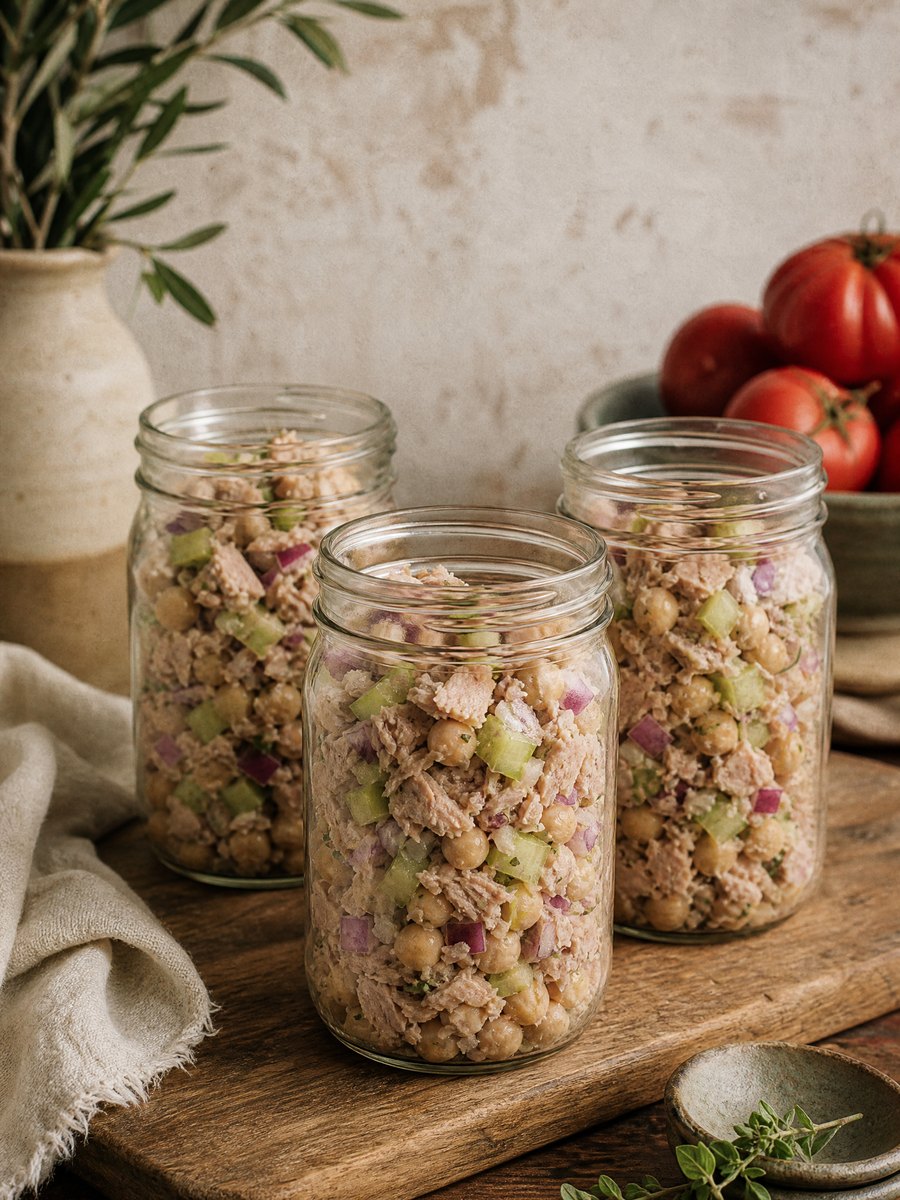
Chickpea Tuna Salad Jars
A sturdy, make-ahead lunch built on pantry staples that actually improves after a day in the refrigerator.
15 minutes · 3 servings
Healthy Lunches
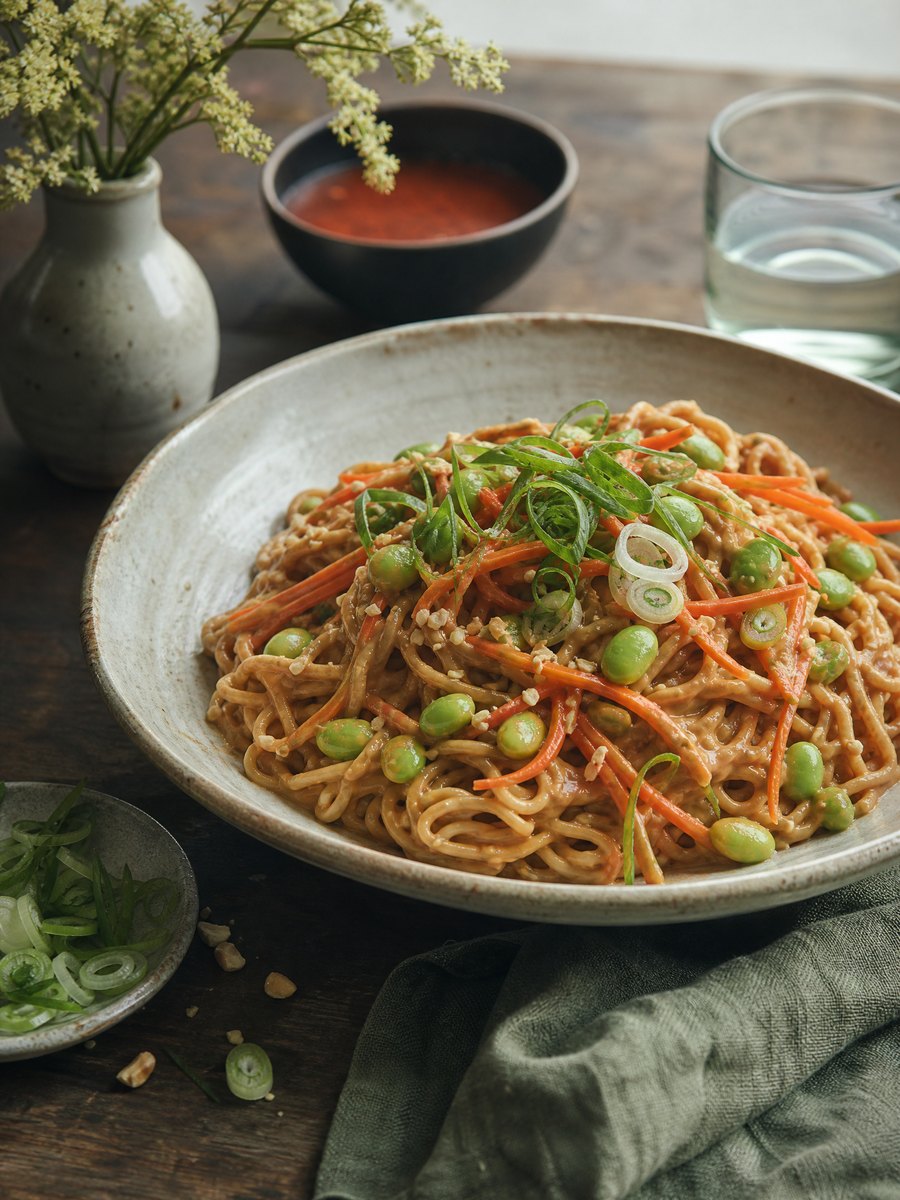
Sesame Peanut Noodle Bowls
A cold noodle bowl built on a sharp, savory peanut dressing that holds up in the fridge for days.
25 minutes · 4 servings
Healthy Lunches