My Menu Mentor · mymenumentor.com/recipes/whole-wheat-pasta-broccoli-rabe
Back to the indexPasta
Whole Wheat Pasta with Broccoli Rabe
A dinner built on the sharp contrast between bitter greens and the deep, toasted flavor of whole wheat pasta.
- Prep
- 15 minutes
- Cook
- 20 minutes
- Total
- 35 minutes
- Yield
- 4 servings
Print the card
The card carries the title, timings, ingredients and method. Add what you want beside them — currently one sheet.
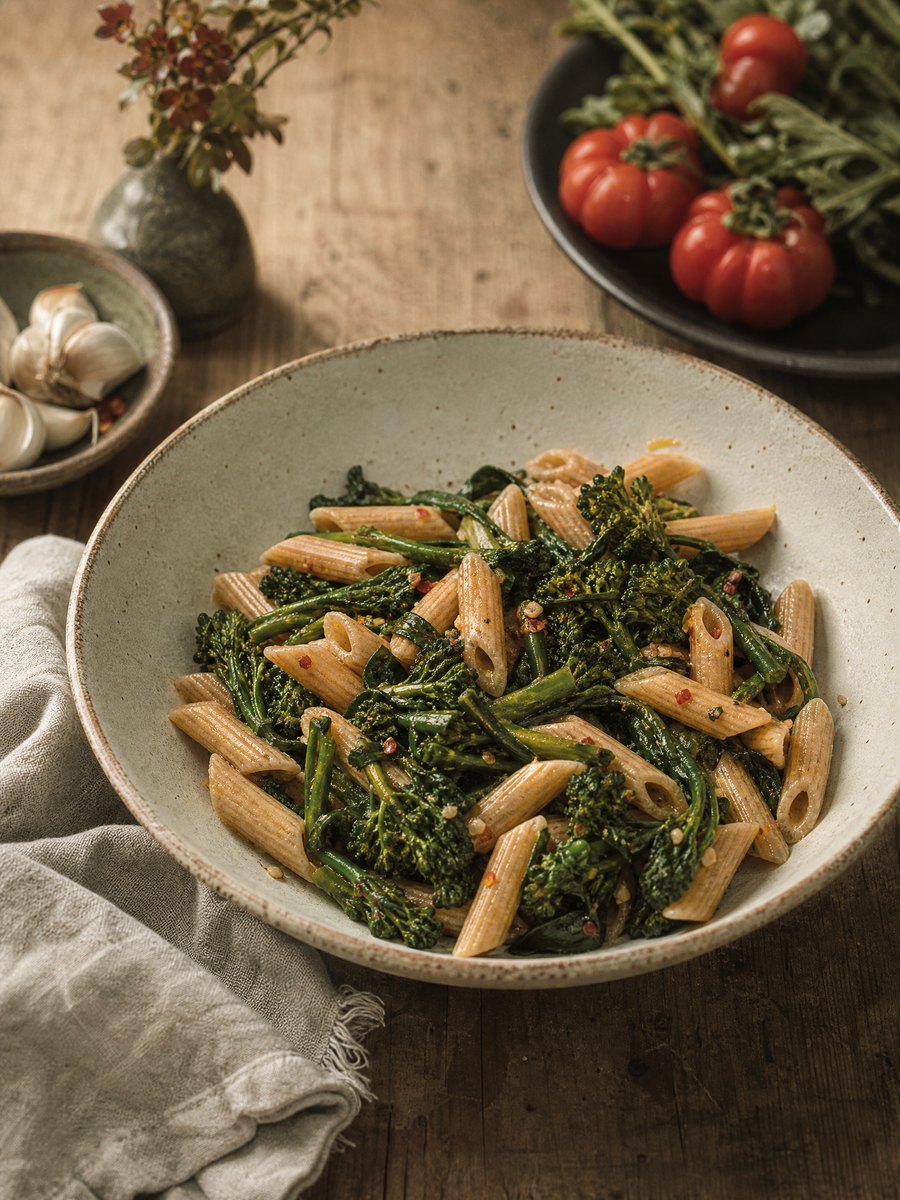
Most pasta dishes that rely on greens fail because the greens are treated as an afterthought, wilted briefly at the end. Here, the broccoli rabe is blanched first to tame its aggressive bitterness, then cooked down slowly with garlic and olive oil until it softens into a coarse, savory sauce that clings to the pasta.
Whole wheat pasta is often criticized for its heavy texture, but it is exactly that robust structure that makes it the right choice for this dish. The nutty, slightly coarse surface of the pasta stands up to the assertive flavor of the broccoli rabe, while a generous amount of olive oil and a pinch of red pepper flakes bridge the gap between the two.
This is a dinner that stays light but is built to keep you full, relying on the inherent structure of the ingredients rather than heavy cream or excessive cheese. It comes together in the time it takes to boil the water and cook the pasta, making it a reliable choice for a Tuesday night. Serve it immediately, perhaps with a final grating of hard cheese if you have it on hand.
What you need
Ingredients
Measurements
Metric converts only measures that are mathematically safe. Density-dependent cups stay as Nicole wrote them.
Scale the batch
4 servings
- 1 large bunch broccoli rabe (about 1 pound), tough lower stems removed, chopped into 2-inch pieces
- 1 pound whole wheat pasta, such as penne or fusilli
- 1/4 cup extra-virgin olive oil, plus more for finishing
- 4 cloves garlic, thinly sliced
- 1/2 teaspoon red pepper flakes, or to taste
- 1/2 teaspoon kosher salt, plus more for the pasta water
- 1/4 cup grated Pecorino Romano or Parmesan cheese (optional)
How it goes
Method
Read the whole thing once before you start. Nothing here is difficult, but the timing is unforgiving at the end.
Blanch the broccoli rabe
Bring a large pot of heavily salted water to a boil. Add the chopped broccoli rabe and cook for 2 to 3 minutes, just until the stems are tender and the leaves are bright green. This brief boil removes the harshest bitter notes.
Transfer the greens
Use a slotted spoon or spider to remove the broccoli rabe from the boiling water, transferring it to a colander to drain. Do not discard the boiling water; you will use it to cook the pasta.
Cook the pasta
Return the water to a rolling boil and add the whole wheat pasta. Cook according to the package directions until al dente. Whole wheat pasta can go from firm to mushy quickly, so begin checking it a minute before the suggested time.
Build the garlic base
While the pasta cooks, heat the olive oil in a large, deep skillet over medium heat. Add the sliced garlic and red pepper flakes. Cook for 1 to 2 minutes, stirring constantly, until the garlic is fragrant and just beginning to turn pale gold at the edges.
Sauté the greens
Add the drained broccoli rabe to the skillet with the garlic and oil. Season with the kosher salt. Cook for 3 to 5 minutes, tossing frequently, until the greens are very tender and coated in the infused oil.
Combine and finish
Drain the pasta, reserving 1/2 cup of the starchy cooking water. Add the pasta to the skillet with the broccoli rabe. Toss vigorously over low heat, adding splashes of the reserved pasta water as needed, until a thin, glossy sauce forms and coats the pasta. Serve immediately.
On the bench
Equipment
All 2 of these change the result. Nothing here is a brand recommendation — the spec is what matters.
The search links are paid affiliate links. If you buy through one, My Menu Mentor may earn a commission at no extra cost to you. No prices are shown because we will not quote a price we cannot keep current.
Large stock pot
You need a pot large enough to blanch the broccoli rabe and then bring the water back to a rolling boil for the pasta without excessive crowding.
- What matters
- 6-quart (or larger) pot suitable for blanching and cooking one pound of pasta.
- Search for
- “large pasta pot 6 quart” (paid link)
Slotted spoon or spider
Transferring the blanched broccoli rabe with a spider or slotted spoon preserves the boiling water for the pasta and prevents overdraining and splashing.
- What matters
- Long-handled spider or large slotted spoon with a wide basket to lift a full handful of greens.
The list
What to buy
The same 7 ingredients, sorted the way a store is laid out rather than the order you cook them. Tick things off as you go.
0 of 7 gathered
Produce
Dairy & Eggs
Pantry
Shop these ingredients
One-tap grocery delivery for this list is planned, and this is where it will appear. Until it is connected, copy the list and paste it into whichever grocery app you already use.
Ticks stay in this browser tab only — nothing is saved or sent anywhere.
Cook's notes
What we would tell a friend
- If you cannot find broccoli rabe, mature spinach or Swiss chard can be substituted, though you should skip the blanching step and simply wilt them directly in the garlic oil.
- Whole wheat pasta absorbs liquid differently than white pasta. Be generous with the reserved pasta water when tossing the final dish to prevent it from becoming dry.
- This dish does not reheat particularly well, as the greens will lose their vibrant color and the pasta may become overly soft. It is best eaten the day it is made.
- For a more substantial meal, you can add a can of drained and rinsed cannellini beans to the skillet along with the broccoli rabe.
From the kitchen
Loading notes…
Keep reading
Next in the index
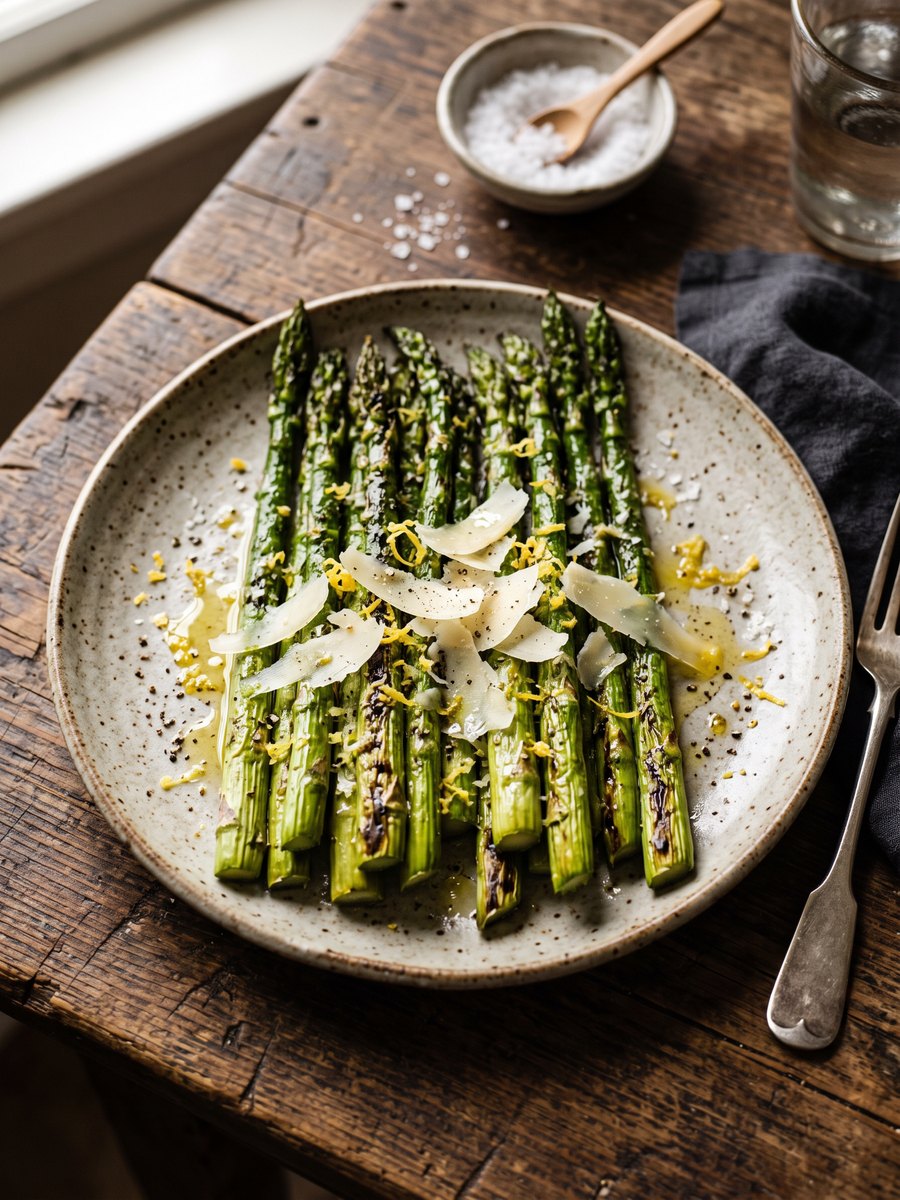
Lemon Garlic Roasted Asparagus with Parmesan
Asparagus does not need rescuing. It needs high heat and about twelve minutes of your attention.
22 minutes · 4 servings
Sides & Vegetables
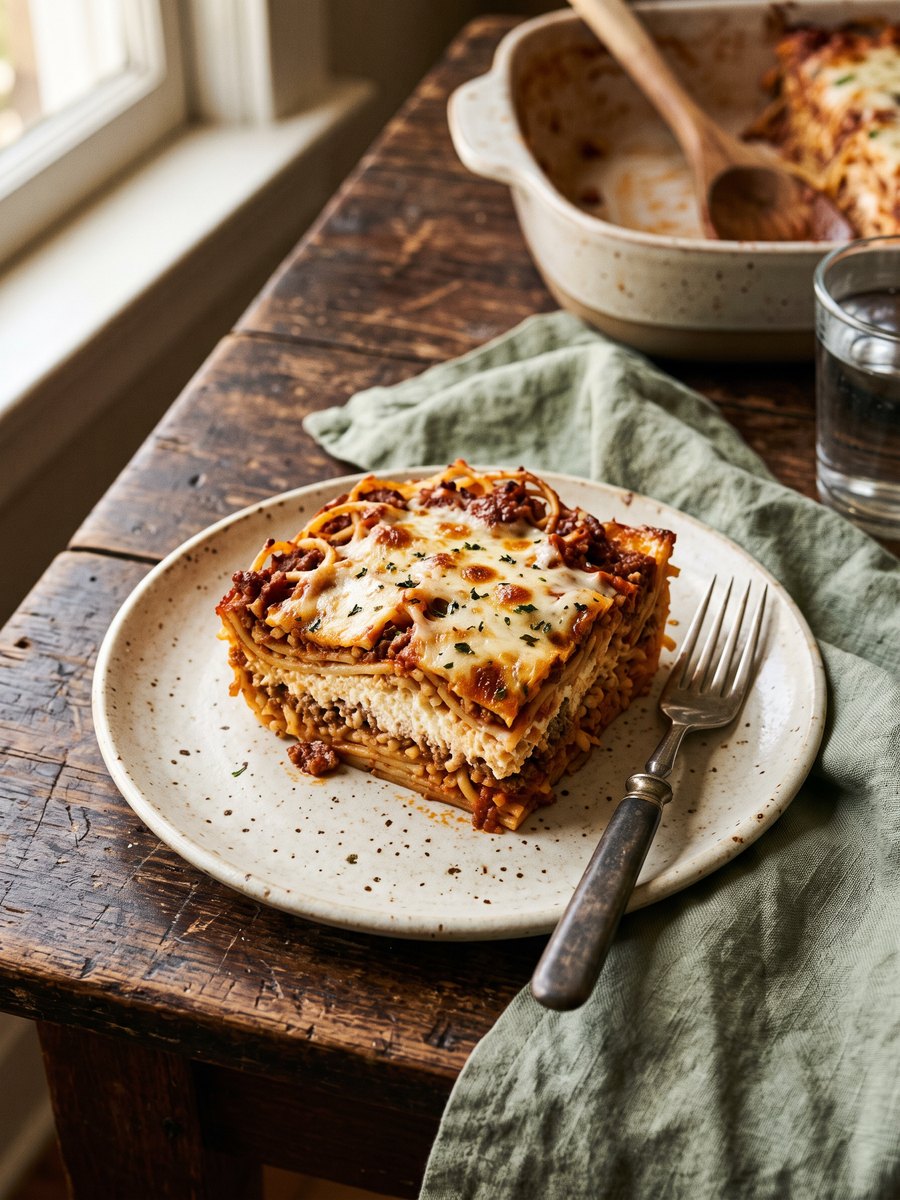
Baked Spaghetti with Ricotta and Mozzarella
A sturdy, sliceable pasta bake that relies on a ricotta binding layer to prevent the noodles from turning to mush.
1 hour 40 minutes · 8 servings
Casseroles