My Menu Mentor · mymenumentor.com/recipes/classic-russet-mashed-potatoes
Back to the indexSides & Vegetables
Classic Russet Mashed Potatoes
A reliable method for smooth, sturdy mashed potatoes that hold their shape on the plate without turning to glue.
- Prep
- 15 minutes
- Cook
- 25 minutes
- Total
- 40 minutes
- Yield
- 6 to 8 servings
Print the card
The card carries the title, timings, ingredients and method. Add what you want beside them — currently one sheet.
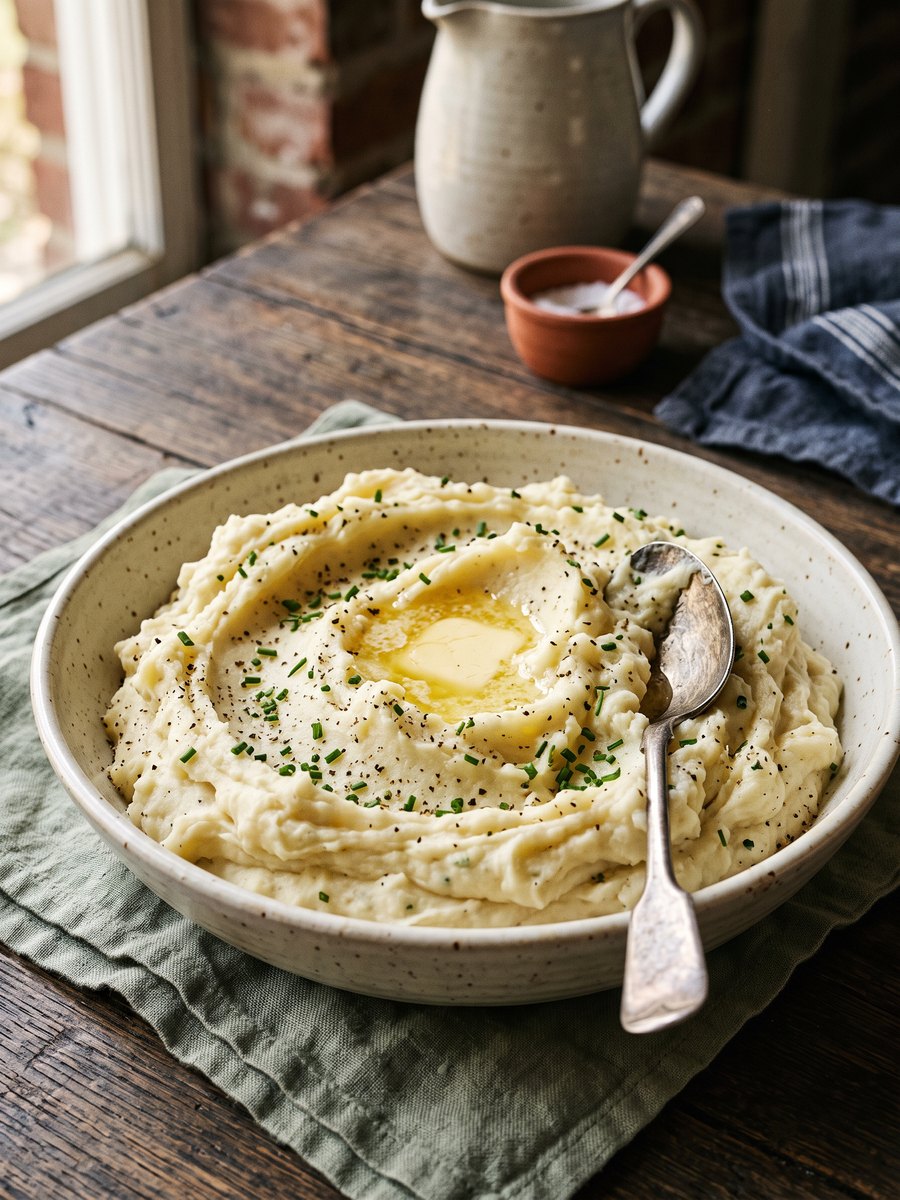
The most common failure mode for mashed potatoes is a gluey, heavy texture caused by overworking the starch. This happens when potatoes are beaten aggressively with a mixer or food processor, or when they are boiled until waterlogged and falling apart. The fix is to use a ricer or food mill, which breaks the potato down evenly with minimal agitation, and to dry the cooked potatoes briefly in the hot pot before adding liquid.
Russet potatoes are the correct choice here. Their high starch and low moisture content means they absorb dairy readily and fluff up beautifully. Waxy potatoes like red or white varieties require more mashing to break down, increasing the risk of a gummy result. Heating the dairy before incorporating it prevents the potatoes from cooling down too quickly and helps the starches absorb the liquid evenly.
These potatoes are sturdy enough to support a heavy gravy but rich enough to stand alone with a pat of butter. They can be kept warm for up to an hour over a double boiler, making them practical for holiday dinners or large gatherings. Leftovers will keep in the refrigerator for three days and can be reheated gently with a splash of milk.
What you need
Ingredients
Measurements
Metric converts only measures that are mathematically safe. Density-dependent cups stay as Nicole wrote them.
Scale the batch
6 to 8 servings
- 3 pounds Russet potatoes, peeled and cut into 2-inch chunks
- 1 tablespoon kosher salt, plus more to taste
- 1 cup whole milk
- 1/2 cup heavy cream
- 8 tablespoons (1 stick) unsalted butter, cut into pieces
- 1/2 teaspoon freshly ground black pepper
How it goes
Method
Read the whole thing once before you start. Nothing here is difficult, but the timing is unforgiving at the end.
Boil the potatoes
Place the potato chunks in a large pot and cover with cold water by one inch. Add the tablespoon of kosher salt. Bring to a boil over high heat, then reduce the heat to maintain a steady simmer. Cook until the potatoes offer no resistance when pierced with a paring knife, about 15 to 20 minutes.
Drain and dry
Drain the potatoes thoroughly in a colander. Return the empty pot to the stove over low heat. Add the drained potatoes back to the pot and gently shake them for 1 to 2 minutes. This evaporates excess surface moisture, preventing waterlogged, heavy mashed potatoes.
Heat the dairy
While the potatoes are drying, combine the milk, heavy cream, and butter in a small saucepan over medium-low heat. Warm the mixture just until the butter is completely melted and the liquid is steaming, but do not let it boil. Keep warm.
Rice the potatoes
Working in batches, pass the hot potatoes through a potato ricer or food mill back into the large pot. If you do not have a ricer, use a hand masher, pressing straight down and avoiding stirring motions to keep the starches intact.
Incorporate the liquid
Pour half of the hot dairy mixture over the riced potatoes. Using a rubber spatula, gently fold the liquid into the potatoes until just combined. Add the remaining liquid and fold again until smooth. Do not overmix.
Season and serve
Taste the potatoes and add kosher salt as needed, along with the black pepper. Transfer to a warmed serving bowl and serve immediately, or cover tightly and keep warm over a pot of barely simmering water for up to an hour.
On the bench
Equipment
1 of these change the result. The rest are conveniences, with a workaround given. Nothing here is a brand recommendation — the spec is what matters.
The search links are paid affiliate links. If you buy through one, My Menu Mentor may earn a commission at no extra cost to you. No prices are shown because we will not quote a price we cannot keep current.
Potato ricer or food mill
OptionalRicing the hot potatoes produces a light, lump-free texture; without it, overworking with the wrong tool can make the mash gluey and dense.
- What matters
- Handheld potato ricer or food mill sized for household batches (capacity sufficient for 3 pounds of potatoes).
- If you skip it
- Use a sturdy hand masher, pressing straight down and avoiding stirring motions as the recipe instructs; the result will be slightly less silky but still acceptable.
Small saucepan for heating dairy
Adding warm milk, cream, and melted butter keeps the potatoes hot and absorbs smoothly; cold dairy cools the potatoes and makes them gummy when mixed.
- What matters
- Small 1- to 2-quart saucepan that heats liquids gently without boiling and holds enough dairy for the recipe.
- Search for
- “small saucepan 1-2 quart” (paid link)
The list
What to buy
The same 6 ingredients, sorted the way a store is laid out rather than the order you cook them. Tick things off as you go.
0 of 6 gathered
Produce
Dairy & Eggs
Spices & Staples
Shop these ingredients
One-tap grocery delivery for this list is planned, and this is where it will appear. Until it is connected, copy the list and paste it into whichever grocery app you already use.
Ticks stay in this browser tab only — nothing is saved or sent anywhere.
Cook's notes
What we would tell a friend
- To make ahead, prepare the potatoes completely, transfer to a slow cooker, and set to the warm setting for up to two hours. Stir gently before serving.
- For a richer flavor, substitute half of the milk with buttermilk or sour cream, folding it in off the heat at the very end.
- Never use a blender or food processor to mash potatoes. The high-speed blades will shear the starch molecules, resulting in an inedible, glue-like paste.
From the kitchen
Loading notes…
Keep reading
Next in the index
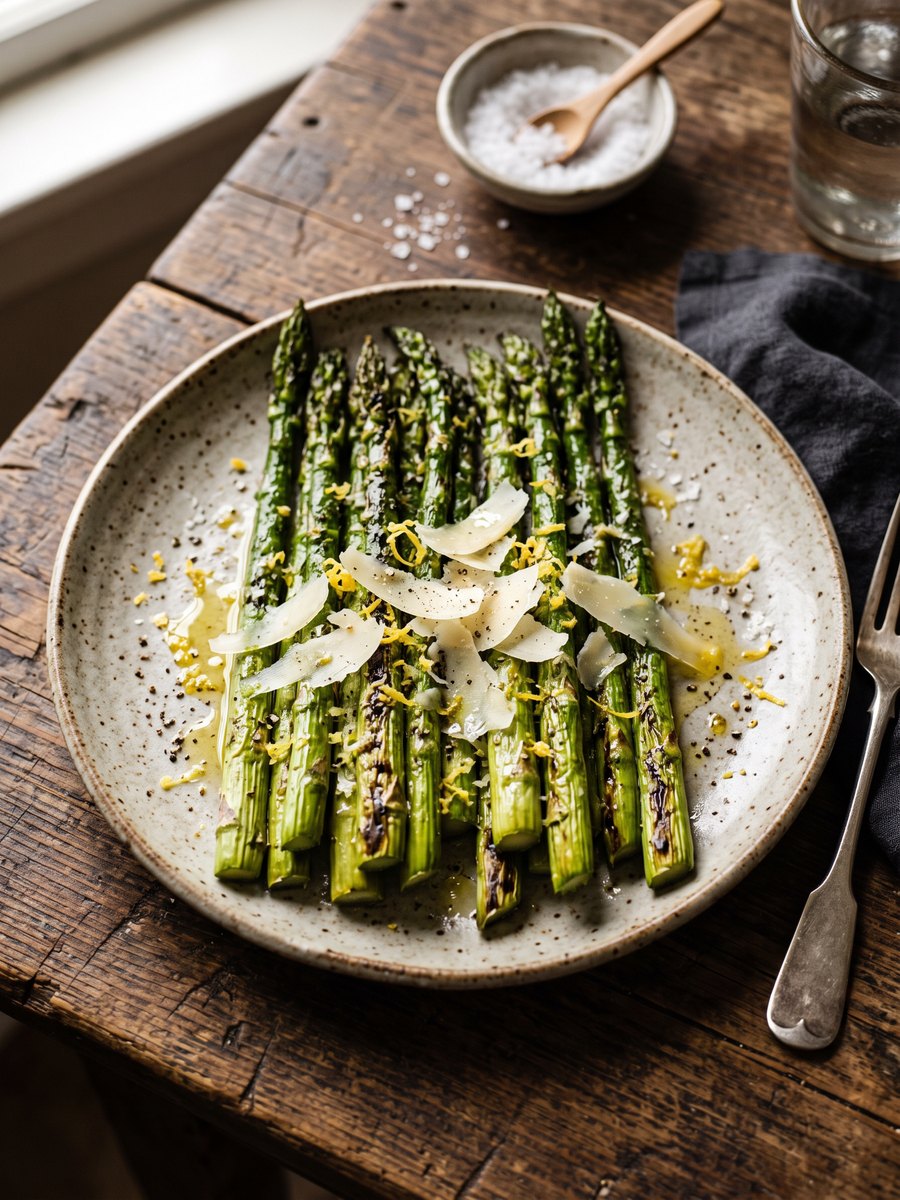
Lemon Garlic Roasted Asparagus with Parmesan
Asparagus does not need rescuing. It needs high heat and about twelve minutes of your attention.
22 minutes · 4 servings
Sides & Vegetables
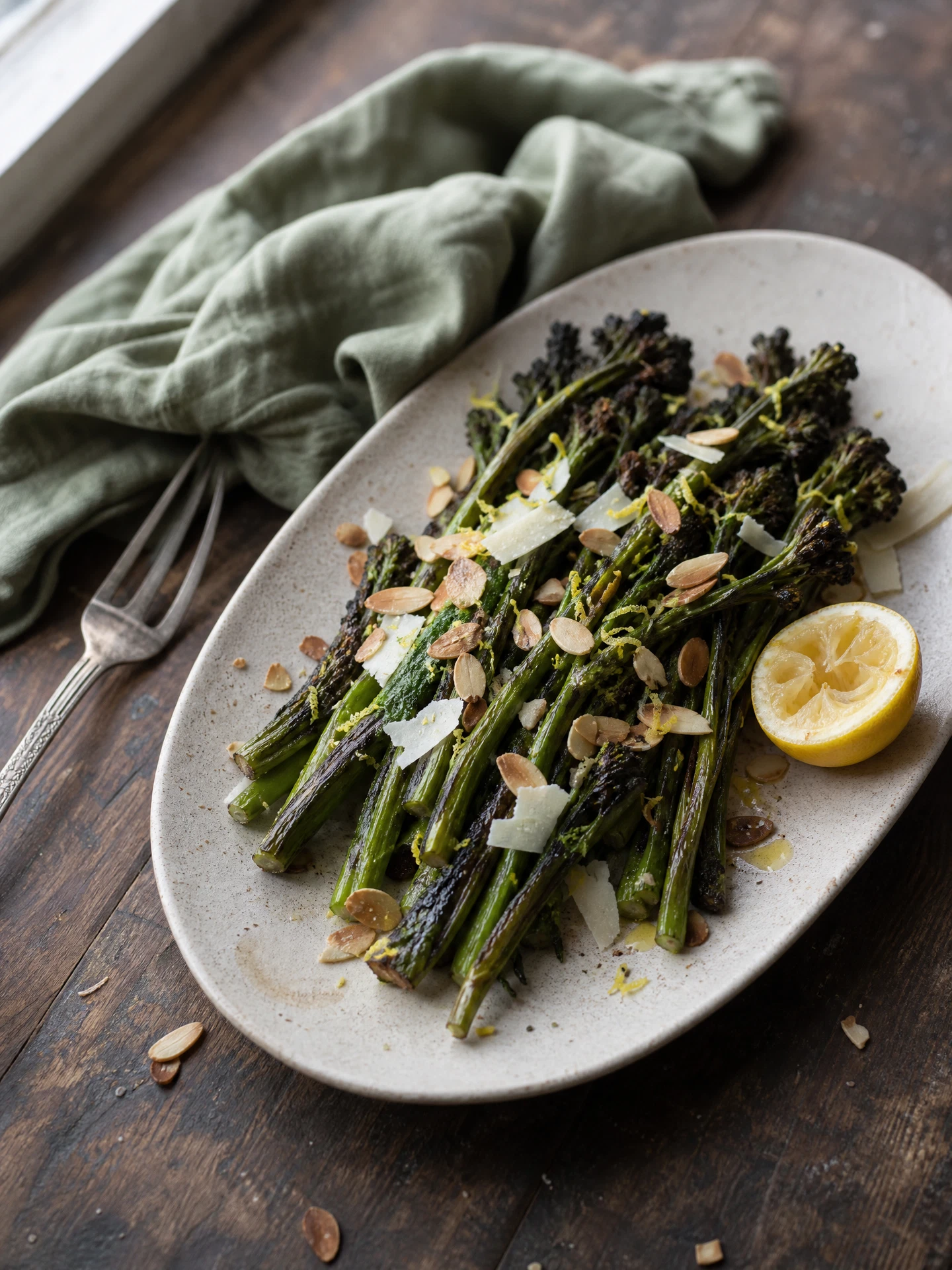
Charred Broccolini with Lemon and Almonds
High heat, a dry pan and no water: broccolini that tastes roasted in twelve minutes on the stovetop.
17 minutes · 4 servings
Sides & Vegetables